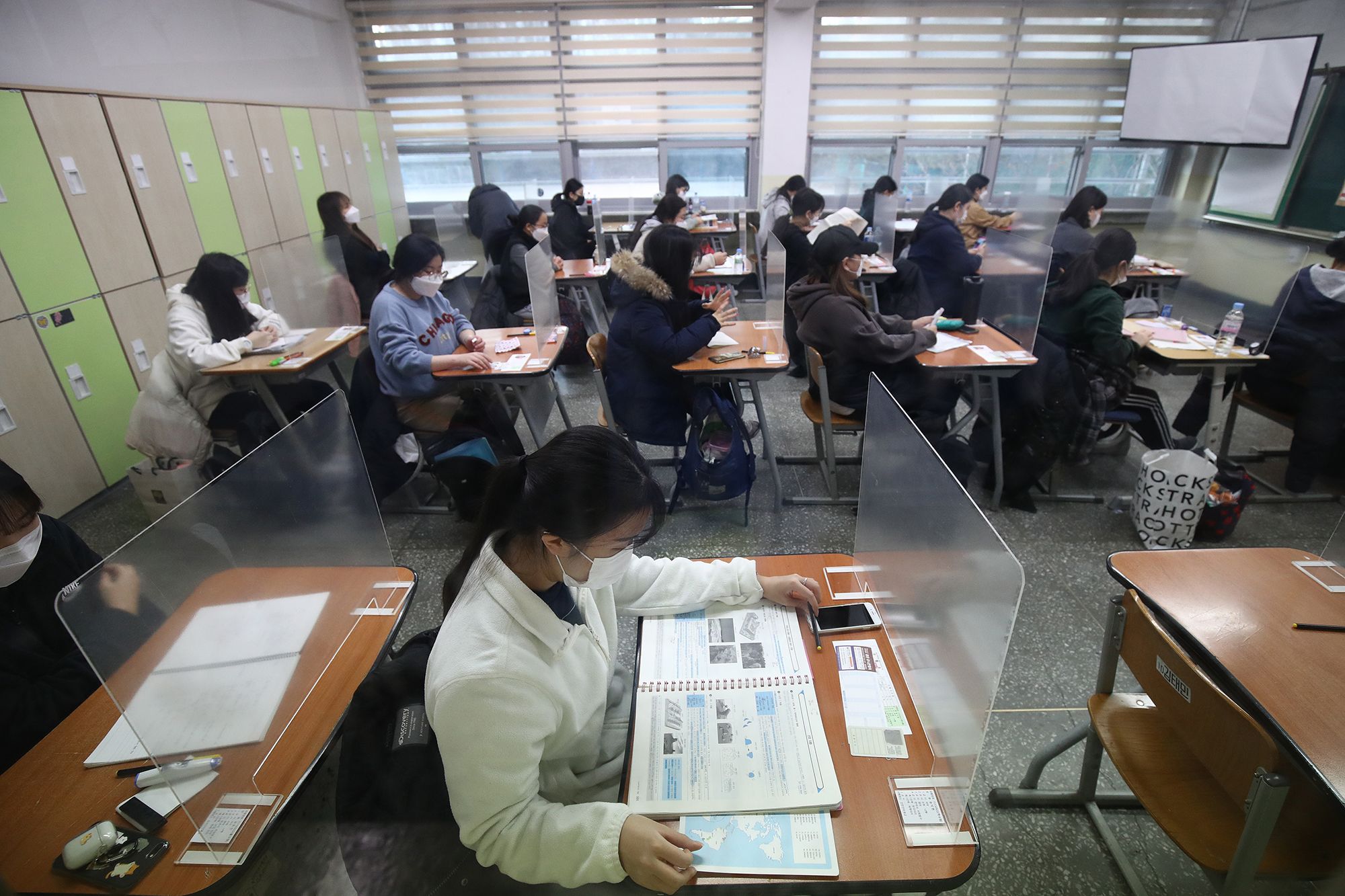
Korean companies have a unique approach to hiring employees, and it often involves administering entry exams. These exams are designed to assess a candidate’s knowledge, skills, and potential fit for the company. While this practice may seem unusual to some, it has its advantages and is deeply rooted in Korean culture.
The Purpose of Company Entry Exams
Entrance examinations for firms serve multiple reasons for Korean business organizations. In the first place, they contribute to the process of ensuring that the candidates have the knowledge and abilities that are required for the position. Companies can conduct objective evaluations and comparisons of applicants through the use of standardized tests, which allows them to pick the individuals who possess the highest level of qualifications.
In addition, these examinations analyze a candidate’s capacity to learn new things and adjust to new situations rapidly. Companies require people who can swiftly comprehend new concepts and successfully apply them to thrive in a corporate climate that moves at a rapid speed. To discover individuals who are motivated to learn and possess good problem-solving skills, the entry examinations are of great assistance.
The Influence of Bubble Alba and Nightlife Part-Time Jobs
While company entry exams are a common practice in Korea, they are not the unique aspect of the country’s employment landscape. The rise of “Bubble Alba,” or part-time jobs in entertainment establishments, has also gained attention in recent years.
These “Bubble Alba” jobs, which are often held by young women, offer high pay and flexible schedules. However, it’s important to note that these jobs are not without their challenges. Many of these positions are in the adult entertainment industry, which can be risky and stigmatized.
The Importance of Work-Life Balance
Despite the prevalence of company entry exams and “Bubble Alba” jobs, Korean companies are also recognizing the importance of work-life balance. In recent years, there has been a growing emphasis on creating a more supportive and inclusive work environment.
Many companies are now offering benefits such as flexible work schedules, remote work options, and parental leave. These initiatives aim to help employees maintain a healthy balance between their professional and personal lives, ultimately leading to increased job satisfaction and productivity.
In conclusion, while company entrance exams may seem unusual to outsiders, they are a reflection of Korean culture and the country’s approach to hiring. As the employment landscape continues to evolve, it will be interesting to see how Korean companies adapt and respond to the changing needs and expectations of their employees.